How Data-Driven Personalization Algorithms Customize Free Bet Triggers for UK Users Betting on Lower-Tier Soccer Leagues and Provincial Point-to-Point Events
Written by David Hansen · Aug 17, 2026
How Data-Driven Personalization Algorithms Customize Free Bet Triggers for UK Users Betting on Lower-Tier Soccer Leagues and Provincial Point-to-Point Events
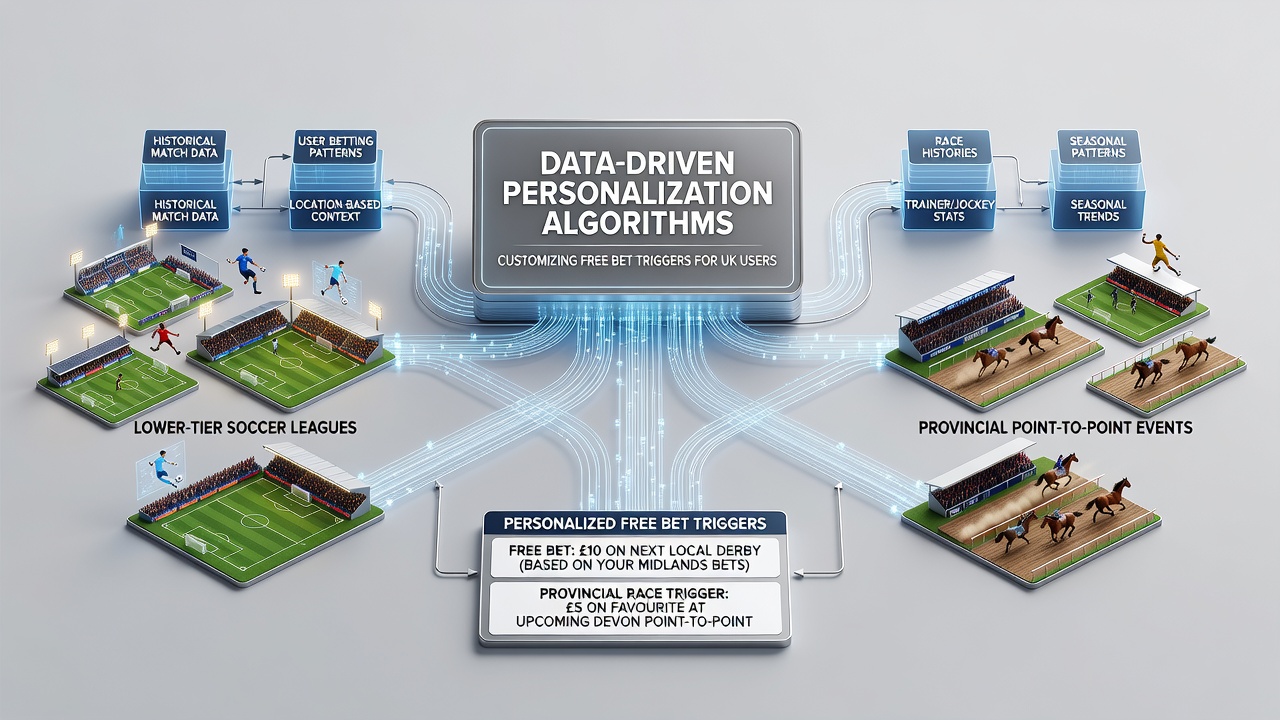
Operators in the UK betting sector deploy data-driven personalization algorithms that analyze user activity across lower-tier soccer leagues and provincial point-to-point events to adjust free bet triggers in real time, and these systems draw from multiple data streams including past wagers, session duration, device type, and geographic indicators to identify when specific incentives might align with observed patterns. Researchers at various institutions have documented how these models process information from events in leagues such as the National League or regional divisions where attendance and media coverage remain modest compared with top-flight fixtures.
Algorithms segment participants based on engagement metrics, so a user who frequently places singles on matches involving teams from the south of England might receive a free bet tied to an upcoming fixture in that same region during August 2026 when pre-season schedules give way to competitive rounds, whereas another participant who shows interest in northern point-to-point meets could see triggers activated around local amateur racing calendars that run through the autumn months. Data indicates that location-based signals combine with historical stake sizes to refine the timing and value of these offers without requiring manual intervention from operators.
Data Inputs and Processing Methods
Multiple variables feed into the models that govern free bet customization, and these include time-of-day patterns, frequency of live betting during lower-profile soccer games, and even weather-related adjustments for outdoor point-to-point venues where ground conditions influence participation rates. Studies from academic sources show that machine learning layers apply clustering techniques to group users who exhibit similar sequences, such as repeated small-stake bets on draw outcomes in League Two encounters or each-way wagers on long-distance point-to-point contests. The resulting profiles allow systems to trigger free bets when a user’s activity deviates from their established baseline or when a scheduled event matches a previously engaged category.
Operators integrate third-party data feeds that supply fixture lists and participant statistics for these niche markets, which enables the algorithms to anticipate periods of heightened interest such as bank holiday weekends or regional festival dates in 2026. One analysis revealed that personalization engines reduce generic promotions in favor of targeted triggers that reference specific leagues or provincial meetings, thereby matching the offer language to the user’s demonstrated preferences while remaining within regulatory parameters set by bodies outside the UK framework.
Application to Lower-Tier Soccer Leagues
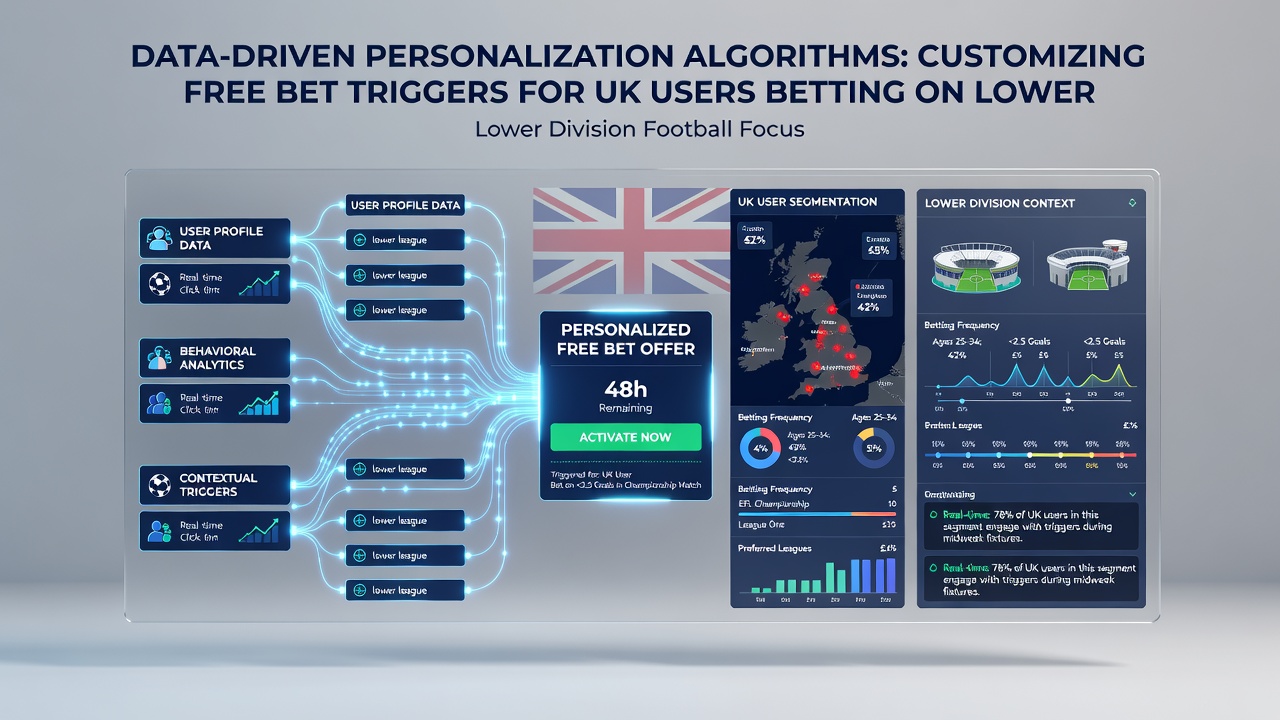
In lower-tier soccer environments the algorithms monitor indicators like goal timing distributions and team form volatility to determine when a free bet might encourage continued engagement, so participants who have previously bet on matches featuring sides from the Isthmian League or Southern League often encounter customized triggers during midweek rounds when fixture congestion increases. Evidence suggests these models weigh the user’s response rate to earlier offers, adjusting both the stake amount and the qualifying conditions accordingly. For instance, a sequence of bets on under-2.5 goals in previous weeks could prompt a free bet structure focused on similar outcomes in an upcoming round of fixtures.
Geographic clustering plays a role here because users located near certain grounds receive prompts linked to local derbies or travel considerations, and this occurs alongside broader behavioral signals that track how quickly a participant redeems or ignores prior free bets. The systems update continuously as new match data arrives, which allows triggers to activate minutes before kick-off when live odds movement aligns with the user’s historical activity window.
Customization for Provincial Point-to-Point Events
Provincial point-to-point meetings present distinct data challenges because these amateur events feature variable fields and regional calendars that shift annually, yet algorithms still parse entry lists, trainer records, and historical results to generate personalized free bet conditions for users who have engaged with similar events in prior seasons. Those who have placed bets on certain horse categories or distances receive offers timed to upcoming meetings in their preferred counties, and the models incorporate factors such as course layout and typical field sizes to refine the incentive structure. Research indicates that seasonal patterns, including the transition from summer flat racing into autumn point-to-point fixtures, influence when these triggers activate for UK participants.
Point-to-point data streams also include rider statistics and ground condition forecasts that feed into real-time adjustments, enabling the algorithms to shift offer parameters if heavy rain alters expected outcomes at a scheduled venue. Users who demonstrate loyalty to particular regions encounter free bet triggers that reference specific race types, such as maiden or open events, while the system cross-references their prior stake patterns to set appropriate thresholds. This approach connects with broader industry observations that personalization increases retention when offers reflect the unique characteristics of amateur racing circuits rather than applying uniform templates across all sports.
Integration with Regulatory and Industry Frameworks
Frameworks established by organizations such as the Responsible Gambling Council in Canada and reports issued through the Australian Institute of Family Studies highlight how personalization systems must balance commercial objectives wth harm-minimization protocols, and UK operators apply similar segmentation logic to ensure free bet triggers remain proportionate to user activity levels. These external benchmarks inform the data thresholds that determine when an algorithm activates an offer for lower-tier soccer or point-to-point participants, particularly during periods like August 2026 when multiple regional events overlap. Observers note that the same models used for trigger customization also log response metrics that feed back into future iterations, creating a continuous refinement loop without direct human oversight of each individual case.
Conclusion
Personalization algorithms continue to shape how free bet triggers reach UK users focused on lower-tier soccer leagues and provincial point-to-point events by combining behavioral data with event-specific variables, and the resulting systems adjust offers across seasons including the 2026 calendar. Industry reports adn academic examinations confirm that these processes rely on ongoing data integration to maintain alignment between user patterns and available incentives, producing customized experiences that reflect the distinct characteristics of these markets.