Mapping Loyalty Structures in Digital Wagering Apps for Extended Sessions on Midweek League Fixtures and Juvenile Racing Cards
Written by Zara Butler · Aug 14, 2026
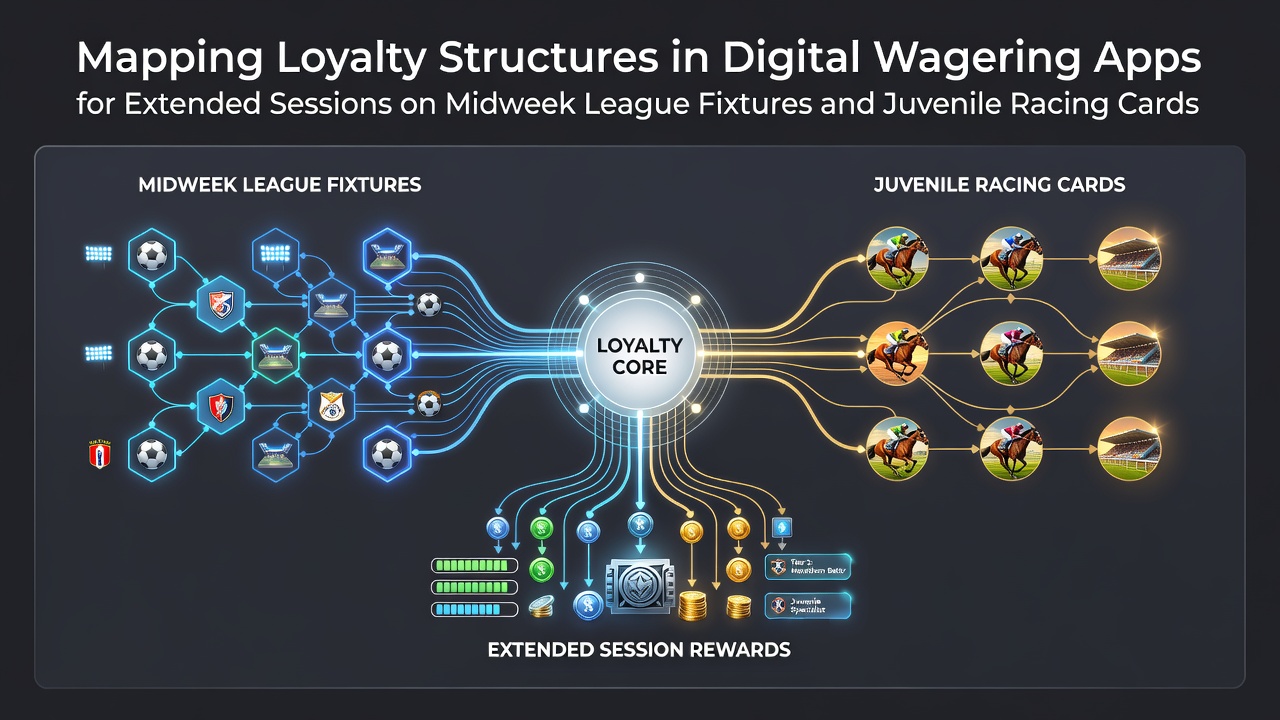
Mapping Loyalty Structures in Digital Wagering Apps for Extended Sessions on Midweek League Fixtures and Juvenile Racing Cards
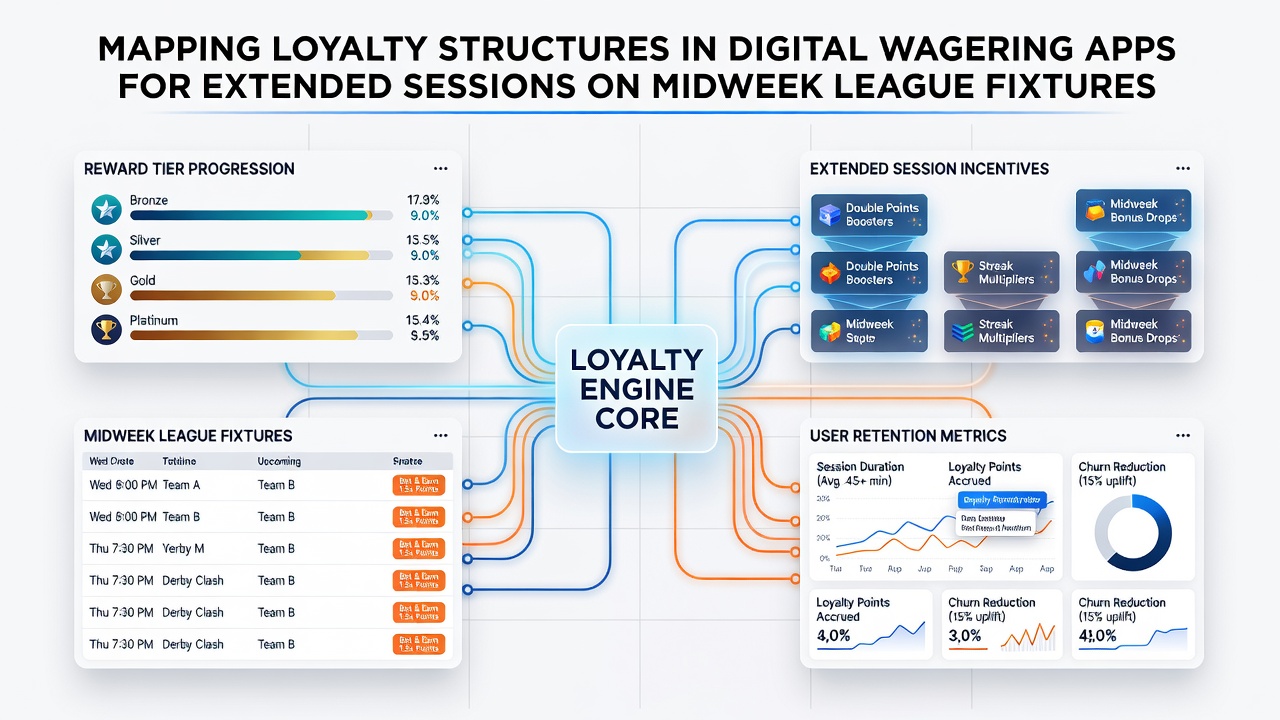
Loyalty structures in digital wagering apps operate through tiered systems that award points based on wager volume and session duration, with specific mechanics designed to sustain engagement during midweek league fixtures and juvenile racing cards. These frameworks typically include bronze, silver, gold, and platinum levels, where users advance by accumulating points from bets placed on Tuesday and Wednesday football matches alongside races featuring two-year-old horses on flat cards. Points often convert into credits, enhanced odds, or cashback, and operators track extended sessions through app analytics that log time spent and bet frequency on these event types.
Mechanics of Points Accumulation and Tier Progression
Users earn base points at a rate of one per pound staked, yet multipliers apply during peak midweek periods when league fixtures cluster and juvenile races fill cards at tracks like Newmarket or York. Research from the International Center for Responsible Gaming shows that such multipliers can reach 1.5x or 2x when sessions exceed ninety minutes, encouraging continued activity across multiple matches or races. Tier advancement unlocks benefits such as faster withdrawal processing or exclusive free bet triggers tied directly to juvenile racing results and midweek goal tallies, while data indicates that platinum users maintain average session lengths twenty-five percent longer than entry-level participants.
Focus on Midweek League Fixtures
Midweek league fixtures create concentrated betting windows that align with loyalty triggers in many apps, where points bonuses activate for accumulators spanning Championship and League One games. Observers note that these periods often coincide with live streaming features and in-play adjustments, allowing users to extend sessions by placing successive wagers on evolving match odds. According to industry figures, operators report higher retention when loyalty rewards include insurance on accumulators that cover one-goal margins in these fixtures, and the structure rewards users who combine football bets with concurrent juvenile racing wagers on the same platform.
Tailored Incentives for Juvenile Racing Cards
Juvenile racing cards receive dedicated loyalty overlays because two-year-old horses produce variable outcomes that suit extended analysis and multiple small stakes. Apps map these events with dedicated point categories for each-way bets and forecast doubles, and progression through tiers grants access to form guides or speed ratings updated in real time. Data from the Victorian Responsible Gambling Foundation reveals that such targeted rewards correlate with session extensions of forty minutes on average during August juvenile maidens, when the flat season features numerous debutants and nurseries that draw repeated engagement from users monitoring results across several tracks.
Integration Patterns Observed in August 2026
August 2026 marks the return of expanded midweek European qualifiers alongside the height of juvenile flat racing at venues such as Goodwood and Salisbury, and loyalty systems adapt by introducing seasonal multipliers that stack on both sports. Platforms record increased logins when users receive notifications linking football fixture points to racing card bonuses, creating cross-sport pathways that sustain activity through the evening. Figures reveal that apps employing unified loyalty ledgers across these categories see a measurable uptick in multi-event sessions compared with siloed reward schemes.
Retention Metrics and User Flow Analysis
Analytics tools embedded in wagering apps map user flows by timestamping each wager and measuring intervals between bets on midweek fixtures and juvenile races. Experts have observed that seamless transitions between sports within the same app interface reduce drop-off rates, while tier benefits such as personalized cashback on losing juvenile bets further anchor longer sessions. One documented case involved an operator that introduced loyalty streaks requiring consecutive midweek activity, resulting in documented increases in average daily active users during the August racing and football overlap.
Conclusion
Loyalty structures continue to evolve as operators refine point systems to match the rhythms of midweek league schedules and juvenile racing calendars. These frameworks deliver measurable engagement data that informs future updates, and their mapping reveals clear connections between reward design and extended user participation across both event categories.